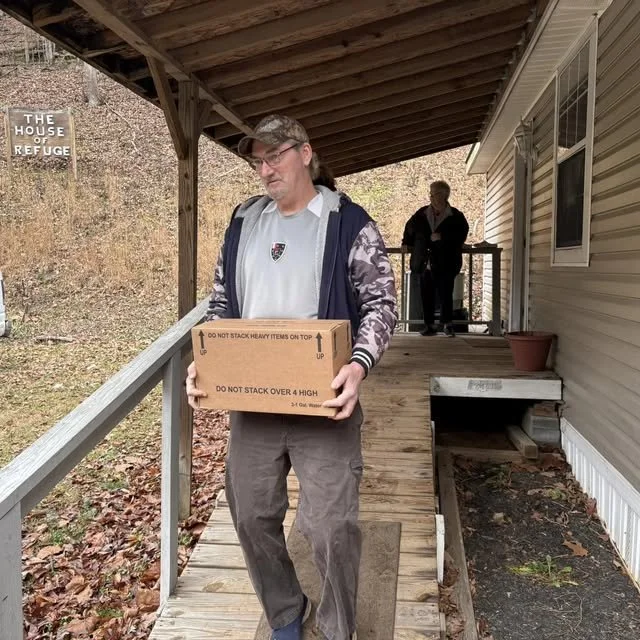
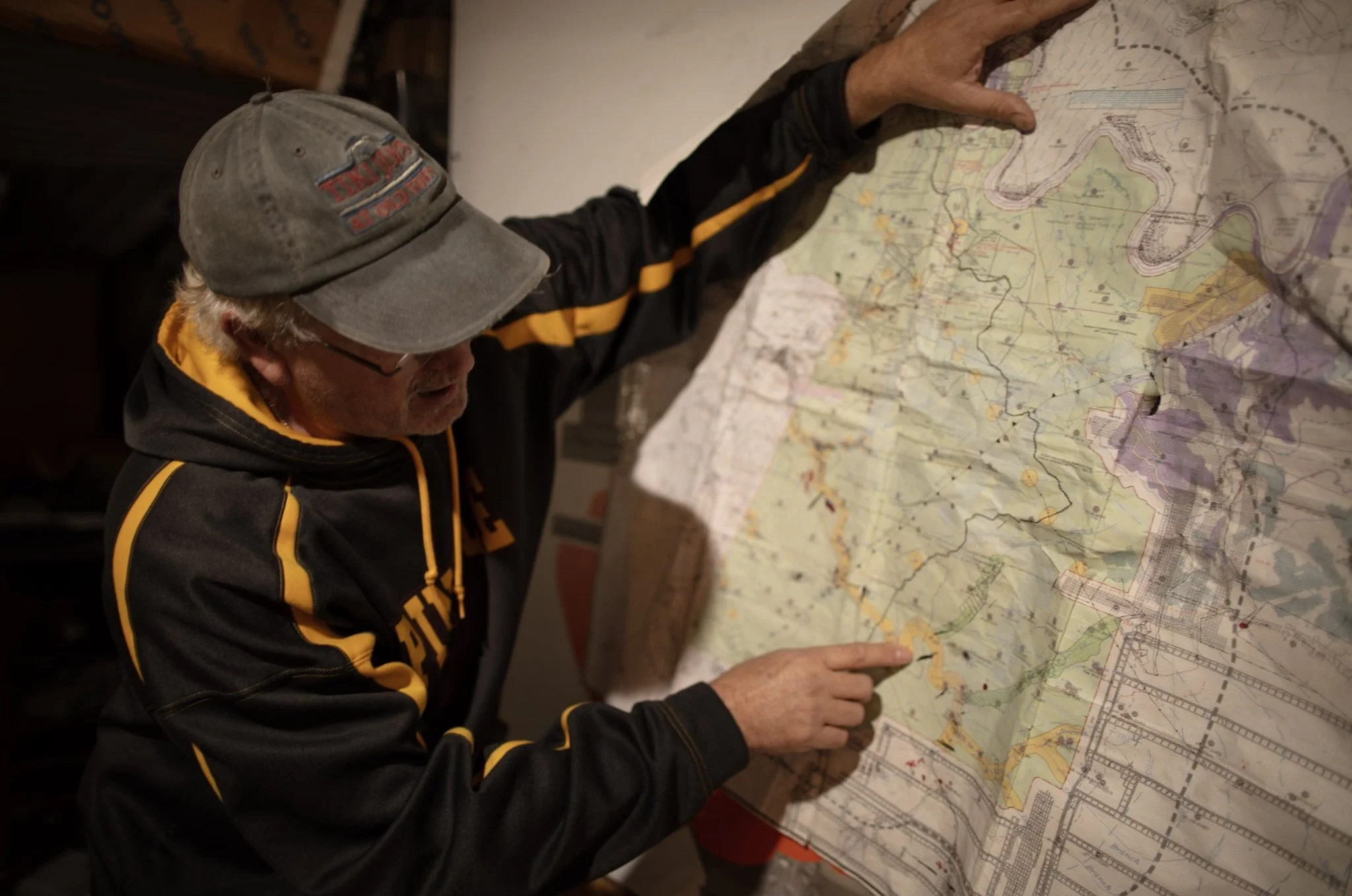
Water Warriors is a six-part narrative podcast and participatory media project created in partnership with residents of Wyoming County, West Virginia. The series follows Richard Altizer, a retired energy worker, and his neighbors as they fight for clean water after contamination linked to nearby mining operations.
The project strengthens local capacity in a county with unreliable broadband, limited cell service, and no local newspaper. By training residents in audio recording, hosting public listening sessions, and creating a community archive, Water Warriors will give people new tools to organize and advocate for themselves.
The interview below is with Jodie Adams Kirshner, NYU Marron Institute research professor. Thanks, Jodie, for all you do!
Q: What issue(s) are you seeking to solve, and in what ways are you working to solve them?
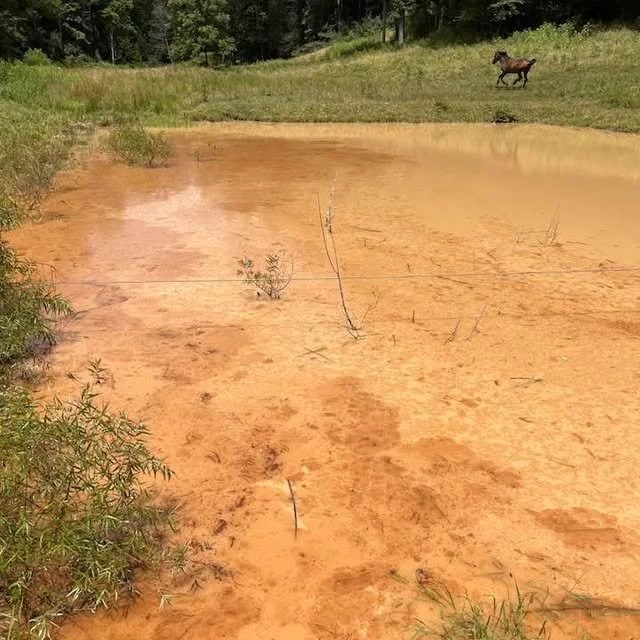
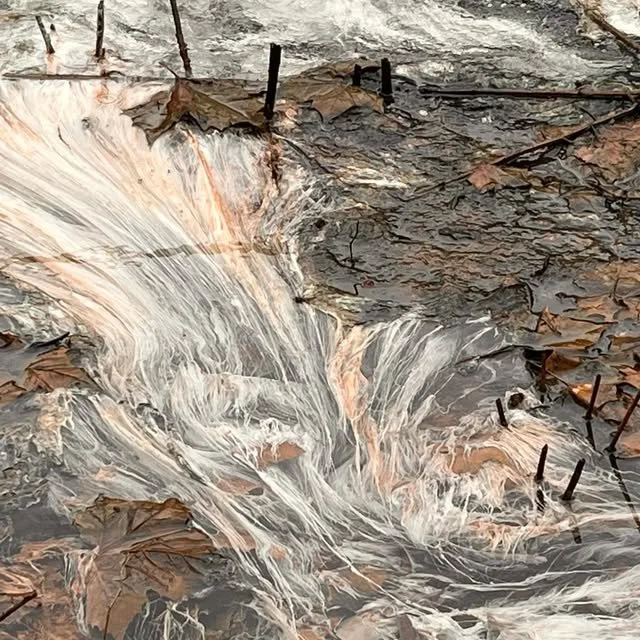
We are responding to an environmental crisis that continues long after extraction ends, and to the lack of accountability that leaves communities to live with the consequences. In Wyoming County, West Virginia, residents face contaminated water, flooding from beneath their homes, and ongoing health concerns linked to abandoned mining infrastructure.
These conditions persist not because people are unaware, but because systems meant to respond have proven limited or unresponsive.
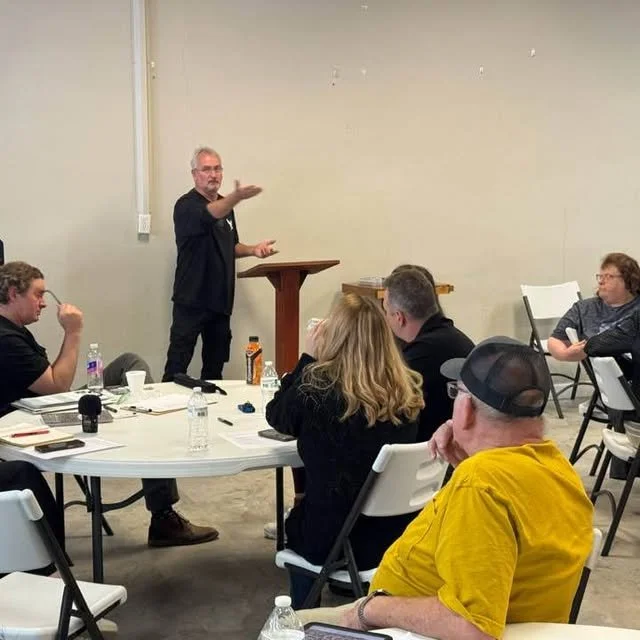
We plan to develop Water Warriors, a narrative podcast created in partnership with residents who are already documenting what they see and experience. My role is to support their efforts by helping create a shared record and a public forum. Through audio training, community listening sessions, and a local archive, the project will help residents amplify their own observations and connect them to broader audiences.
The podcast will grow out of their fight for clean water rather than speak on their behalf.
Q: What do you find most challenging in your work?
The greatest challenge lies in staying with stories that do not resolve neatly. Environmental harm unfolds slowly, and official responses often remain partial or disappear altogether. People continue to live with uncertainty even when attention fades.
Another challenge involves moving carefully in places that have long been overlooked or misunderstood.
Rural communities have often been the subject of outside attention that arrives briefly and then leaves. Building relationships that feel reciprocal rather than extractive takes time, especially in areas with limited infrastructure and few local media outlets.
Q: What do you find most rewarding?
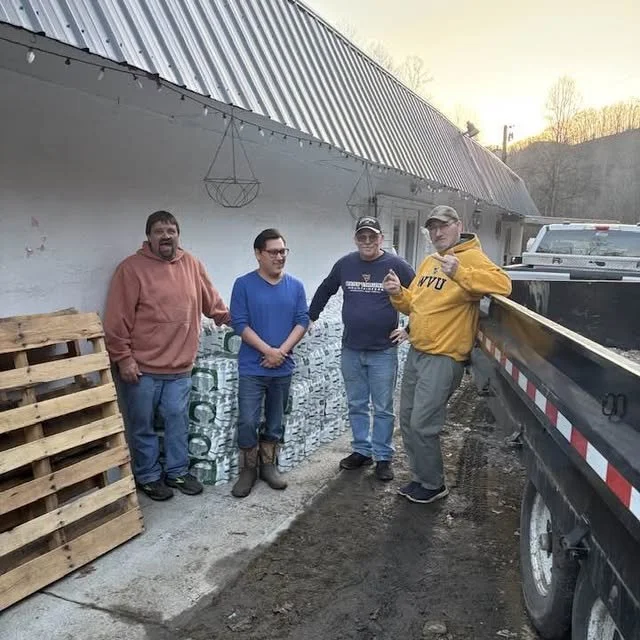
What I find most meaningful is watching individual experiences become shared understanding. When neighbors compare what they notice in their water and begin to recognize patterns together, isolation gives way to something collective.
I am also encouraged by how simple tools can open new possibilities. Recording, listening together, and keeping a shared record can spark conversations and connections that extend well beyond a single project. Those moments suggest that the effort has value even without immediate resolution.
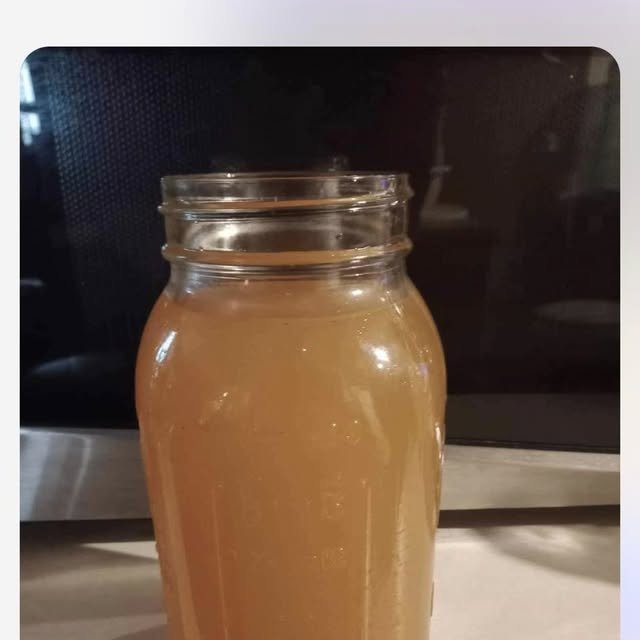
“Drinking” water
Q: What do you wish people knew more about the issue(s) you seek to solve?
I wish more people understood that environmental damage in rural places rarely stems from a single incident. It reflects decades of policy decisions, economic dependence, and fragmented responsibility.
The effects linger in land and bodies long after extraction slows or stops.
I also wish people recognized how much knowledge already exists within communities. Residents pay close attention to land and water because their lives depend on it. What is often missing is recognition and a public record that treats those observations as credible and cumulative.
Q: How can people support your work?
Support begins with listening. Taking these stories seriously, sharing them with care, and helping them reach others all make a difference.
I am grateful for opportunities to bring this project into classrooms, community spaces, and public conversations where environmental and economic decisions are shaped. Support also means staying engaged after the story is told and asking what accountability and repair might look like over time.
Q: How do you create joy and hope in your life during the ecological crisis?
On a more personal level, I find joy in listening. Paying close attention to people and place reminds me that repair begins with relationship, and that attention itself can serve as a form of care.
I also find hope in persistence. Even when institutions step back, people continue to gather, compare notes, and look out for one another and the places they live. Being present with that steadiness helps counter despair.